Selectively weeding to conserve biodiversity.
Nature is constantly trying to rewild and regenerate. To cultivate nature, we can manage the regrowth. Nature will do its best to reproduce genetically diverse and healthy populations of native species. We just have to selectively weed to make room and encourage the native plants.
What is selective weeding? Basically put- it is taking advantage of what is already growing on the land.
For a more detailed understanding, let’s first define weeding. The verb to weed (out) is to remove portions that are hurtful or less desirable. Hurtful plants are clear to an ecologist: any non-native plant that outcompetes or compromises the ability of a native plant to successfully reproduce a healthy local population. Many states have lists and descriptions of these hurtful plants, aka invasive non-native plants. Virginia state has published both a list of invasive non-native plants and a searchable database that links to invasive plant descriptions.
Selectively weeding a less desirable plant, however, is more of a nuanced personal preference about a plant in a specific place.
For over a decade, as an academic, I researched the selective weeding of native trees in the neo-tropics. I read, researched and discussed extensively how selectively weeding native forest tree seedlings – that are naturally regenerating- could be a key land management practice to conserve biodiversity.
More recently, in the last 5 years, I find myself a land steward myself and selectively weeding the native plants that naturally regenerate on the land.
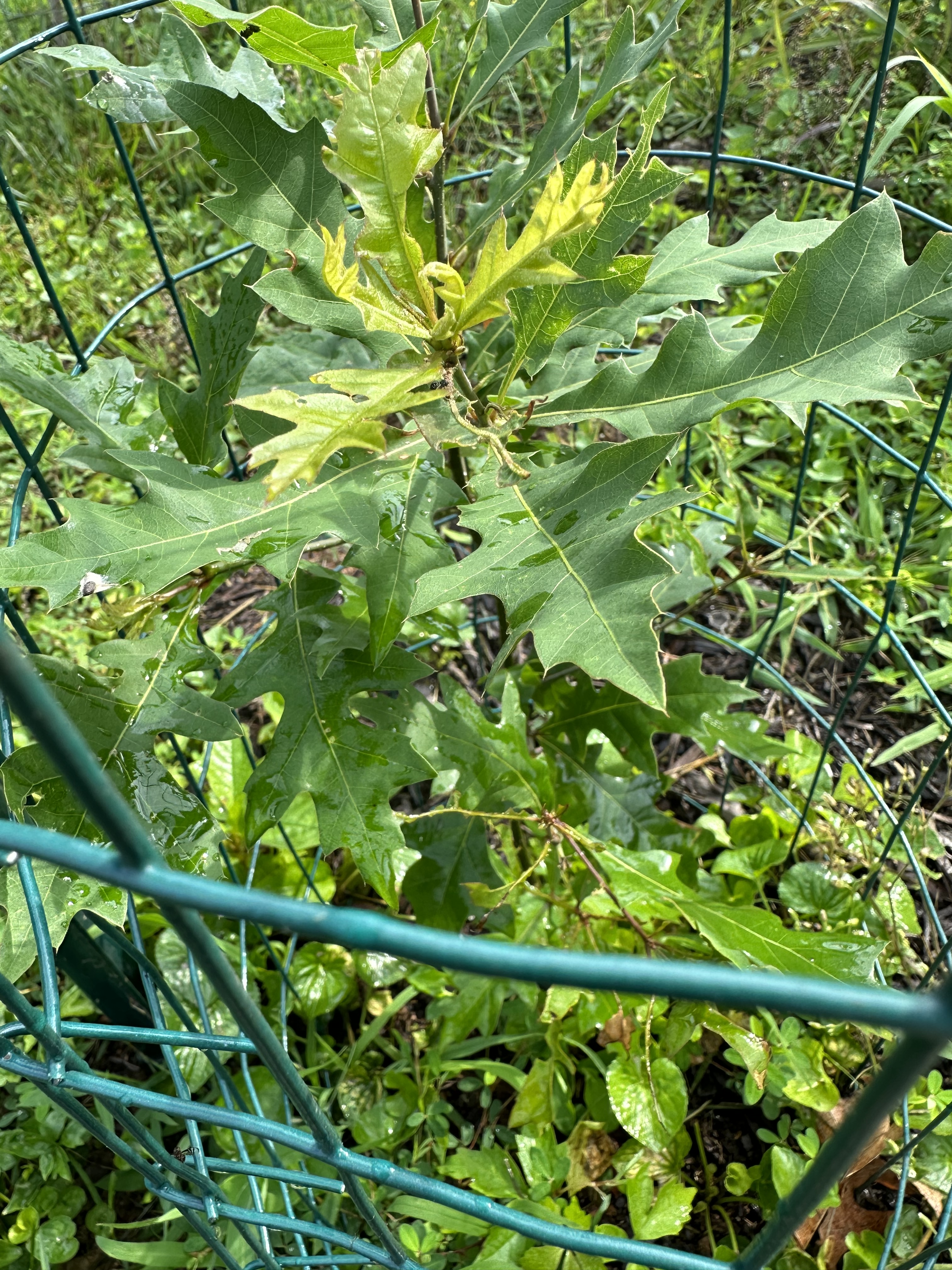
For example, I selectively weed the native perennial late boneset (Eupatorium serotium.) When I find it’s seedlings in the semi-formal habitat garden, I remove it and often transplant it to where it is more desirable in the meadow restoration area. Whereas, if it pops up in the field I will let it stay. I also selectively weed native trees. I encourage and protect native trees that naturally regenerate in the reforestation area. However, if I find an oak or other native tree seedling close to the house, I will remove it and often transplant it to the reforestation area.
The key to selectively weeding is the ability to identify and discern different plant species. It is important to not only be able to identity young plants but then to also determine whether it should stay or be removed/transplanted.
If you would like to conserve biodiversity on your land through selective weeding, please contact me at cultivatenature@gmail.com.
This is a recent video of a red oak sapling I found in a wildflower area close the house.
 Cultivate Nature
Leave a comment